

Domestic & Family Violence Prevention Month 2026
Domestic and family violence is often misunderstood, minimised, or hidden behind harmful myths and stereotypes.
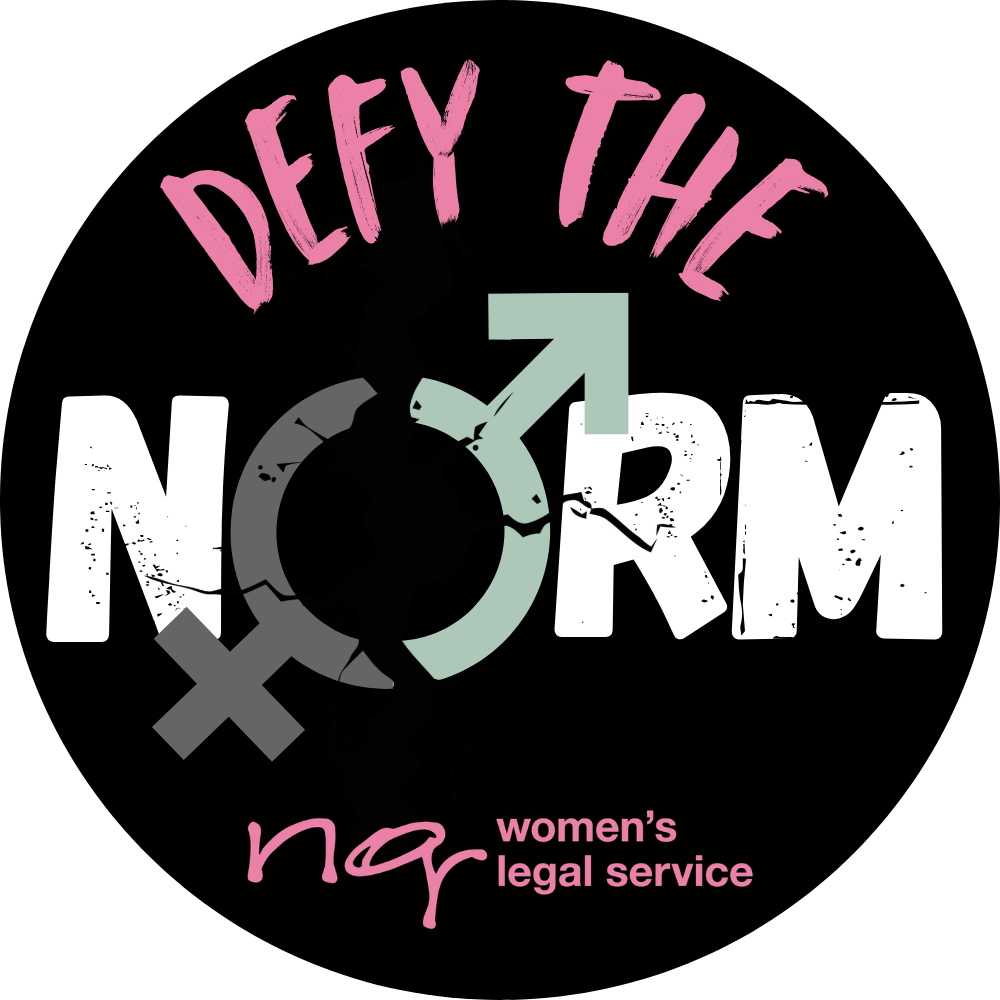
This May, North Queensland Women’s Legal Service invites our community to Defy the Norm.
Throughout Domestic and Family Violence Prevention Month, we are challenging the beliefs, attitudes, and narratives that allow abuse to be excused, ignored, or normalised.
Because abuse is not always physical.
Because victim-survivors deserve support, not scrutiny.
Because harmful gender stereotypes shape how violence is understood, justified, and responded to.
Because prevention starts with all of us.
What is Defy the Norm?
Defy the Norm is a community awareness campaign focused on:
challenging harmful myths about domestic and family violence
increasing understanding of coercive control and non-physical abuse
promoting respectful relationships and gender equality
encouraging safe support for victim-survivors
shifting harmful attitudes that contribute to violence
This campaign asks our community to reflect on:
the conversations we normalise
the behaviours we excuse
the stereotypes we reinforce
the warning signs we overlook
Because culture shapes safety.

Weekly Campaign Themes
Week 1:
Challenging Misconceptions About DFV
Domestic and family violence does not always leave bruises.
This week explores:
victim-blaming narratives
the myth of the “perfect victim”
non-physical abuse
coercive control
how perpetrators may hide behind public personas
Learn More

Week 2:
Challenging Harmful Gender Stereotypes
Harmful gender stereotypes can reinforce inequality, entitlement, control, and silence.
This week explores:
“boys will be boys” culture
harmful expectations around masculinity and femininity
emotional suppression
gendered power dynamics
respectful relationships
Learn More

Week 3:
Understanding Coercive Control & Invisible Abuse
Coercive control is a pattern of behaviours designed to dominate, isolate, and control another person.
This week explores:
gaslighting
isolation
emotional abuse
technology-facilitated abuse
financial abuse
surveillance and intimidation
Learn More

Week 4:
Supporting Victim-Survivors & Taking Action
Prevention requires action from all of us.
This week explores:
how to support victim-survivors safely
responding without judgement
recognising warning signs
challenging harmful behaviours and narratives
promoting respect and accountability
Learn More

How You Can Get Involved
You can support the campaign by:
sharing campaign content on social media
displaying posters in workplaces and community spaces
starting conversations about respectful relationships
challenging harmful stereotypes and victim-blaming narratives
learning more about coercive control and non-physical abuse
supporting victim-survivors safely and without judgement
Use the hashtags:
#DefyTheNorm
#DFVPreventionMonth
#EndCoerciveControl
#BelieveVictimSurvivors
#RespectStartsHere

Support & Information
If you or someone you know is experiencing domestic or family violence, support is available.
Support Services
North Queensland Women’s Legal Service
Legal advice, advocacy, and support services for women across North Queensland.
1800 244 504
1800RESPECT
24/7 national sexual assault, domestic and family violence counselling service.
1800 737 732
www.1800respect.org.au
eSafety Commissioner
Support and advice for technology-facilitated abuse, online safety, and image-based abuse.
Queensland Government Domestic & Family Violence Resources
Information on support services, safety planning, coercive control, and healthy relationships.
Together, We Can Defy the Norm
Violence thrives in silence, stigma, and harmful narratives.
By challenging what has become normalised, we can help create safer communities built on respect, equality, accountability, and safety.
Together, we can Defy the Norm.